Products
SEARCH WHAT YOU WANT
Mesh bags are widely utilized in the agricultural sector, primarily because their breathability, lightweight nature, and cost-effectiveness perfectly align with the unique storage and transportation requirements of agricultural products such as fruits and vegetables.
1.Core Advantage: Breathability and Freshness Preservation
The mesh structure ensures excellent air circulation, effectively dissipating the heat and moisture generated by the respiration of fruits and vegetables. This prevents spoilage and mold growth, making the bags particularly well-suited for the storage and transport of root vegetables such as potatoes, onions, garlic, and carrots.
2.Low Cost, Lightweight, and Efficient
The raw materials (PP/PE) are inexpensive, and the bags themselves are extremely lightweight. This allows for the maximization of product load capacity while simultaneously reducing transportation burdens. They are ideal for packaging large volumes of agricultural products with relatively lower unit values.
3.Convenient Handling and Visibility
They are easy to handle manually and stack efficiently. The mesh design provides clear visibility of the contents, facilitating rapid quality inspections and variety identification, thereby simplifying the sorting and sales processes.
4.Environmental Friendliness and Adaptability
Most mesh bags are recyclable. Their excellent flexibility and compression resistance allow them to accommodate agricultural products of various shapes. Furthermore, some products feature UV-resistance capabilities, meeting the requirements for short-term outdoor storage.
Consequently, mesh bags represent a pivotal packaging choice in the journey of fruits and vegetables from field to market—balancing the critical factors of freshness preservation, cost-efficiency, and operational efficiency. They are particularly indispensable within the context of short-to-medium-distance transportation as well as wholesale and retail distribution channels.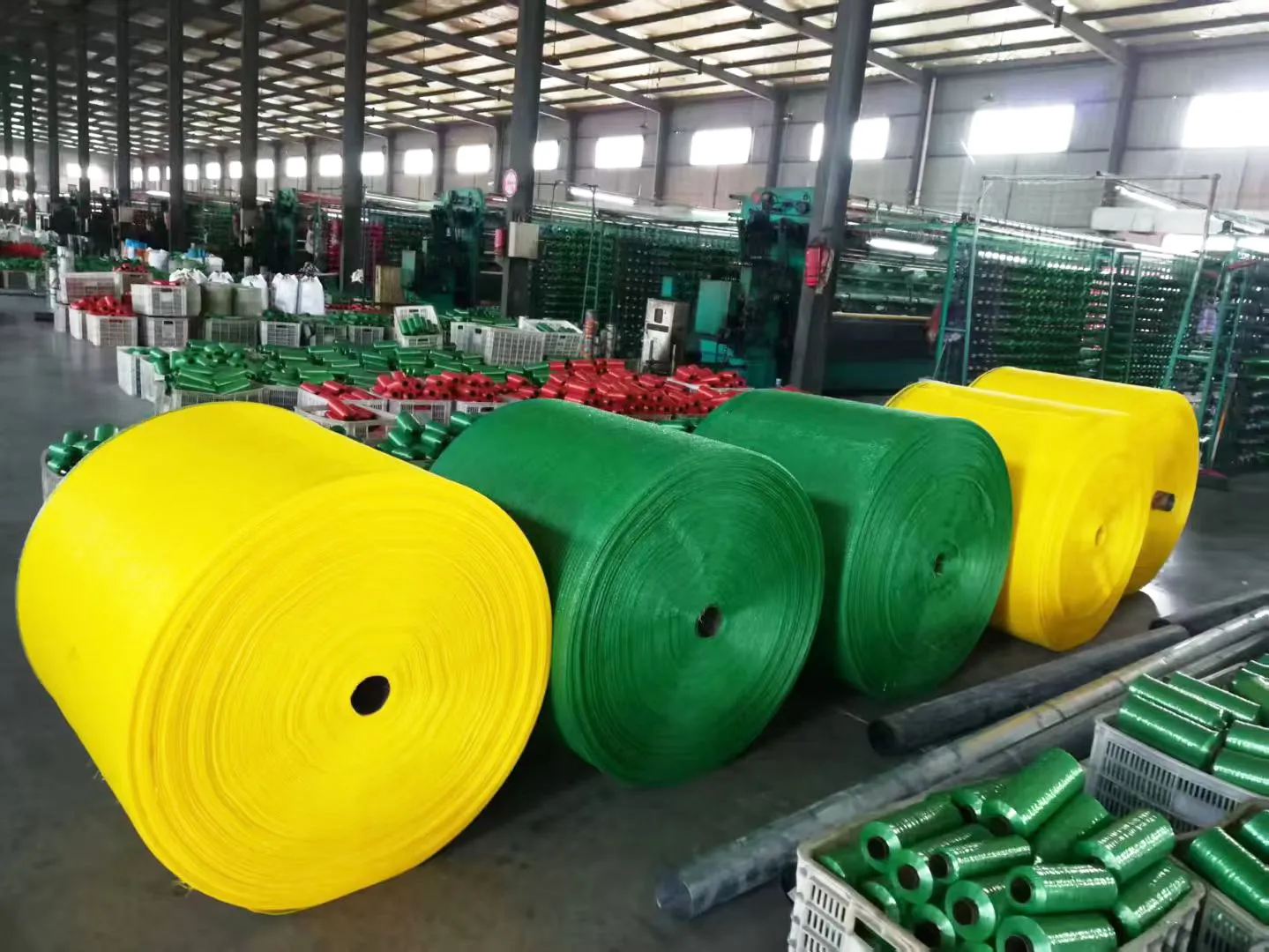
Mesh bags are widely utilized in the agricultural sector, primarily because their breathability, lightweight nature, and cost-effectiveness perfectly align with the unique storage and transportation requirements of agricultural products such as fruits and vegetables.
1.Core Advantage: Breathability and Freshness Preservation
The mesh structure ensures excellent air circulation, effectively dissipating the heat and moisture generated by the respiration of fruits and vegetables. This prevents spoilage and mold growth, making the bags particularly well-suited for the storage and transport of root vegetables such as potatoes, onions, garlic, and carrots.
2.Low Cost, Lightweight, and Efficient
The raw materials (PP/PE) are inexpensive, and the bags themselves are extremely lightweight. This allows for the maximization of product load capacity while simultaneously reducing transportation burdens. They are ideal for packaging large volumes of agricultural products with relatively lower unit values.
3.Convenient Handling and Visibility
They are easy to handle manually and stack efficiently. The mesh design provides clear visibility of the contents, facilitating rapid quality inspections and variety identification, thereby simplifying the sorting and sales processes.
4.Environmental Friendliness and Adaptability
Most mesh bags are recyclable. Their excellent flexibility and compression resistance allow them to accommodate agricultural products of various shapes. Furthermore, some products feature UV-resistance capabilities, meeting the requirements for short-term outdoor storage.
Consequently, mesh bags represent a pivotal packaging choice in the journey of fruits and vegetables from field to market—balancing the critical factors of freshness preservation, cost-efficiency, and operational efficiency. They are particularly indispensable within the context of short-to-medium-distance transportation as well as wholesale and retail distribution channels.